Understanding the essential equipment needed for CrossFit is crucial for anyone looking to improve their fitness journey. With its emphasis on functional movements, CrossFit requires a diverse range of gear that supports a variety of exercises. From barbells to resistance bands, the right equipment can greatly enhance performance and safety during workouts. This guide will delve into the most common tools used in CrossFit, how they are applied, and why they are important for athletes at all levels. Whether you’re just starting out or you’re a seasoned veteran, knowing what to equip yourself with can make all the difference in your training routine.
Foundational Equipment for Every CrossFit Box
When stepping into a CrossFit box, certain pieces of equipment are staples that you’ll find in nearly every facility. These items form the backbone of most workouts. Let’s explore the key components of CrossFit equipment that enable effective training sessions.
Barbells and Weight Plates
Barbells are arguably the most essential item in CrossFit. They are used for Olympic lifts, squats, deadlifts, and more. Typically, you’ll encounter standard barbells weighing either 35 lb or 45 lb. The weight plates that accompany these barbells can be adjusted to meet the athlete’s strength capabilities. Having access to a variety of weights ensures that both beginners and advanced athletes can effectively train. Alongside traditional weights, bumpers are often used, especially when the barbell is lifted from the ground to minimize impact.
Dumbbells
Dumbbells serve as another fundamental element in CrossFit workouts. Ranging from 20 lb to 70 lb, they are versatile and can be used for strength training, conditioning workouts, and mobility exercises. Their flexibility allows athletes to perform a myriad of movements such as snatches, cleans, and overhead presses. Investing in a quality set of dumbbells is an excellent choice for any rigorous training regimen. They can also be used for various gymnastic movements, making them a critical piece of equipment.
Kettlebells
Kettlebells are essential in the CrossFit arsenal, known for their effectiveness in developing strength, endurance, and flexibility. They come in various weights, often starting around 16 kg and going up to 32 kg. Kettlebells are used for swings, cleans, snatches, and more, focusing on both strength and explosive power. The unique shape of kettlebells facilitates natural motion patterns that enhance functional strength and coordination. Adding kettlebell movements to your CrossFit regimen can elevate your performance significantly.
Additional Functional Gear

In addition to the foundational equipment, several other tools play an important role in a CrossFit athlete’s development. These items enhance various aspects of training, from agility to endurance.
Jump Ropes
Jump ropes are a staple in any CrossFit box. They are utilized not only for warm-ups but also feature prominently in conditioning workouts. Double-unders, where the rope passes under the feet twice for each jump, are a common exercise that helps improve cardiovascular fitness and coordination. A quality jump rope can drastically enhance your speed and efficiency during workouts.
Plyometric Boxes
Plyometric boxes are critical for developing explosive power and agility. They are used in various movements such as box jumps and step-ups, focusing on lower body strength and coordination. Popular heights for these boxes range from 20 inches to 30 inches. The ability to perform box jumps not only enhances leg strength but also improves cardiovascular endurance.
CrossFit Equipment for Gymnastics Movements
Gymnastics rings and pull-up bars are vital bits of equipment designed to build upper body strength and improve overall body control.
Gymnastics Rings
Gymnastics rings are often used in advanced strength movements such as muscle-ups, ring dips, and holds. Incorporating rings into training helps build significant upper body strength and stability. The instability of the rings forces users to engage their core and stabilizer muscles, offering a unique and challenging workout. They are an excellent addition for those aiming to enhance their upper body strength.
Pull-Up Bars
Pull-up bars facilitate one of the most fundamental exercises in CrossFit: the pull-up. Pull-up bars allow for various grip positions enabling different exercise variations like chin-ups, toes-to-bar, and more. These movements are critical for developing upper body strength and improving functional fitness. Equipping your box with high-quality pull-up bars ensures that all athletes can perform essential strength training.
Cardiovascular and Conditioning Equipment
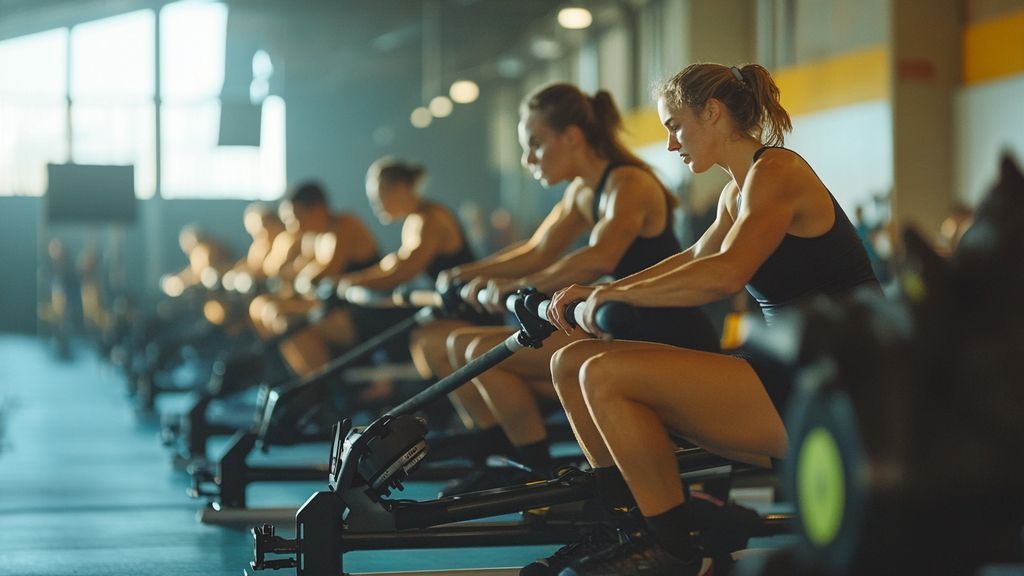
A well-rounded CrossFit workout incorporates conditioning elements that engage various muscle groups and enhance cardiovascular strength.
Rowing Machines
Concept2 rowing machines are becoming increasingly popular in CrossFit neighborhoods for providing a full-body workout. They engage major muscle groups and allow athletes to develop stamina and strength simultaneously. Using a rowing machine is an excellent way to elevate your heart rate, enhance your fitness level, and improve endurance. Incorporating rowing into your warm-ups or WODs can be a game-changer.
Medicine Balls
Medicine balls, typically weighing between 10 to 20 lb, are a staple for any conditioning segment in CrossFit. They are incredibly versatile, allowing athletes to perform wall balls, cleans, and various core exercises. The addition of medicine balls to any training helps build overall power and core strength, crucial for other complex movements.
Accessories that Enhance Your Performance
Beyond the primary equipment, there are several accessories that CrossFit athletes can use to support their training and recovery efforts.
CrossFit Grips
CrossFit grips are protective gear that athletes wear during high-rep pulling movements to prevent rips and blisters on their hands. They are an important investment for anyone engaging in workouts involving pull-ups, toes-to-bar, and bar muscle-ups. Having a good grip is crucial for performing these exercises safely and effectively.
Chalk
Chalk is another key accessory that helps improve grip during lifts. It absorbs moisture and provides a secure hold on the barbell or other equipment. Using chalk is common practice among CrossFitters to minimize slipping, especially during heavy lifts.
Knee Sleeves
Knee sleeves serve to provide support and warmth to the knees during workouts. They can be beneficial for stabilizing the joint, especially when performing high-impact exercises like squats. Investing in quality knee sleeves can help prevent injuries and support recovery in demanding workouts.
Weight Belts
Weight belts are often used during heavy lifting to provide additional support to the lower back. They help maintain proper posture and protect against injury while performing advanced movements under load. A good weight belt is a key asset in any serious weightlifter’s toolkit.
Each piece of CrossFit equipment plays a vital role in developing a well-rounded fitness regimen. Whether you’re practicing at a box or at home, equipping yourself with the right tools empowers you to achieve your fitness goals. Remember, the quality of the equipment is just as important as the intensity of your training. Invest wisely, and your body will thank you for it in the long run.