The world of fitness encompasses many disciplines, two of the most prominent being CrossFit and traditional weightlifting. These approaches to training attract different enthusiasts, each with unique philosophies and objectives. Understanding their distinctions is crucial for anyone looking to optimize their fitness journey and set achievable goals.
CrossFit, known for its high-intensity workouts and varied movements, stands in stark contrast to traditional weightlifting, which focuses on building strength through specific weight training techniques. While both aim to enhance physical performance, the methods and experiences associated with each differ significantly. Selecting the right one ultimately depends on individual preferences and fitness aspirations.
Understanding CrossFit: A Comprehensive Overview
CrossFit combines elements from various fitness disciplines, including weightlifting, cardiovascular training, and gymnastics. This multifaceted approach offers a dynamic workout environment, keeping participants engaged and challenged. The community aspect of CrossFit is prominent, fostering camaraderie and motivation among members. Group classes often involve completing workouts known as WODs (Workout of the Day), which can vary greatly day-to-day, ensuring a comprehensive fitness regimen.
The Philosophy Behind CrossFit
The driving philosophy of CrossFit centers around functional movements and high-intensity training. This methodology not only helps improve strength but also enhances overall performance in real-life activities. By incorporating a broad range of exercises, CrossFit aims to develop well-rounded athletes capable of taking on various physical challenges.
Key Components of CrossFit Training
CrossFit integrates several components that enhance its appeal:
- Variety: The constantly changing routine ensures that no two workouts are alike, keeping participants engaged.
- Community: The supportive environment encourages social interaction and friendly competition among members.
- Functional movements: Exercises mimic activities performed in everyday life, resulting in practical improvements in strength and endurance.
- Scalability: Workouts can be adjusted to suit any fitness level, making it accessible for all.
Exploring Traditional Weightlifting: Techniques and Benefits
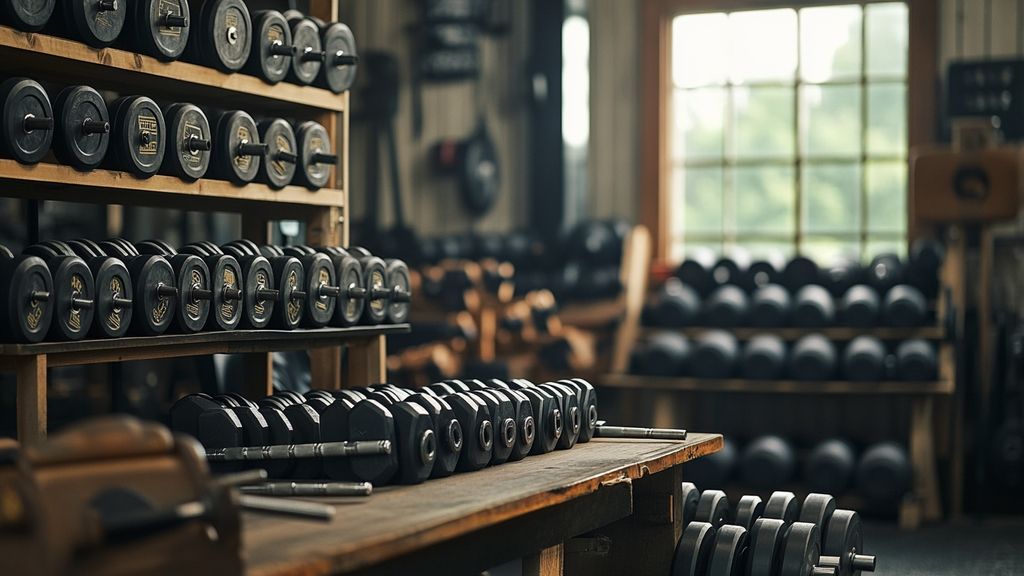
Traditional weightlifting focuses specifically on strength training through resistance exercises, primarily targeting various muscle groups. In contrast to the diverse nature of CrossFit, traditional weightlifting emphasizes precision, form, and progressive overload to achieve strength and hypertrophy. Lifters often engage in movements such as squats, deadlifts, and bench presses, building foundational strength that can translate to other athletic pursuits.
The Fundamentals of Weightlifting Techniques
Introducing proper techniques is essential in traditional weightlifting. Mastering these forms is critical to ensure effectiveness and prevent injuries. Consistent practice allows individuals to progressively increase weights, stimulating muscle growth and enhancing strength.
Benefits of Traditional Weightlifting
Engaging in traditional weightlifting offers several benefits, including:
- Enhanced Muscle Strength: By focusing on specific exercises, individuals can target particular muscle groups for maximum strength gains.
- Improved Bone Density: Resistance training plays a crucial role in increasing bone density, which is vital for overall health.
- Defined Muscle Aesthetics: Traditional weightlifting is often associated with achieving a sculpted physique due to its emphasis on hypertrophy.
- Predictable Progress: With clear metrics for tracking progress, weightlifting enables individuals to see continuous improvement over time.
Moreover, weightlifting fosters discipline and patience as athletes experience gradual yet tangible strength gains, contrasting with the fast-paced nature of CrossFit.
Comparing Training Strategies: CrossFit Versus Traditional Weightlifting
The differences between CrossFit and traditional weightlifting span various aspects such as training philosophy, intensity, and goals. CrossFit’s emphasis on variety and community support fosters a unique atmosphere that appeals to many fitness enthusiasts. Conversely, traditional weightlifting’s structured approach resonates with lifters seeking targeted improvements.
Intensity and Adaptability
CrossFit workouts are often characterized by higher intensity levels, pushing individuals to challenge their physical and mental limits. This approach may lead to heightened cardiovascular fitness, agility, and stamina.
On the other hand, traditional weightlifting followers tend to prioritize controlled environments, ensuring levels of fatigue are manageable for proper recovery. This structured nature allows weightlifters to progressively overload their muscles, promoting steady strength gains while minimizing injury risk.
Goals: Building Versus Maintaining
The objectives of CrossFit and weightlifting further distinguish these training modalities. CrossFit athletes aim to improve various aspects of fitness, from strength to endurance, while traditional lifters often concentrate solely on muscle development and strength enhancement.
For beginners, CrossFit’s diverse workout styles provide an ideal gateway to overall fitness. In contrast, those interested in specialized strength training may prefer to stick with traditional weightlifting.
Injury Risks and Prevention Strategies

Injury risk remains a significant concern for both CrossFit and traditional weightlifting practitioners. High-intensity workouts associated with CrossFit can sometimes lead to injuries if proper form isn’t maintained. Conversely, traditional weightlifting injuries may arise from lifting incorrectly or overexerting oneself. Understanding these risks is essential for promoting safety in either regimen.
Common Injury Risks in CrossFit
Common injuries seen in CrossFit participants typically include:
- Shoulder injuries from Olympic lifts
- Knee injuries due to poor squat form
- Back injuries related to deadlifts
Improper technique may exacerbate these injuries, making it crucial for individuals to receive proper coaching and feedback.
Preventative Measures in Traditional Weightlifting
In traditional weightlifting, prioritizing technique and form can greatly reduce the likelihood of injury. Incorporating warm-up routines, cooling down appropriately, and adhering to a well-structured training program emphasizes safety and longevity in this discipline.
Listening to one’s body and understanding individual limitations is crucial in both methodologies. Strengthening supporting muscle groups and allowing for recovery days enhances resilience against injuries.
Final Considerations: Which Path to Choose?
Deciding between CrossFit and traditional weightlifting depends on personal goals, fitness levels, and preferences. CrossFit’s diverse workouts and community support may draw those seeking variety and social engagement, while traditional weightlifting suits individuals pursuing specific strength goals.
Assessing Your Fitness Goals
Before choosing a training method, it’s prudent to evaluate personal fitness aspirations. Factors to consider include desired outcomes, available time for workouts, and injury history. Ultimately, the best approach combines individual preferences and realistic goals. Both CrossFit and traditional weightlifting offer unique advantages to cater to varied lifestyles.